Friday, 22 November 2013

The Waltz
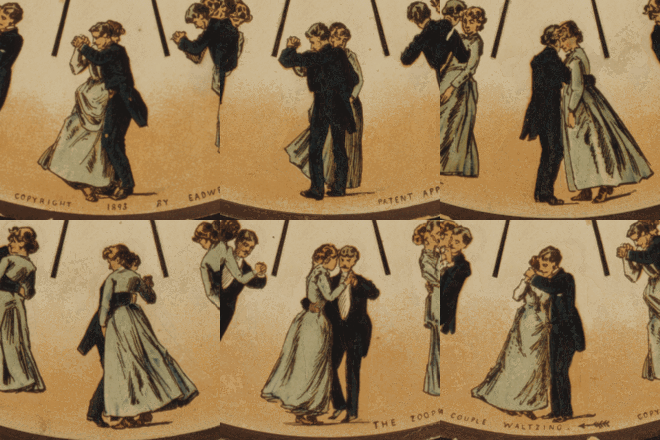
Phenakistoscope 3g07690d.gifThe waltz is a smooth and progressive ballroom and folk dance in triple time. During the late 19th and the early 20th century there were many different versions of the waltz in multiple different time signatures.
The Cross-Step waltz
The Cross-Step dance evolved in the early 20th century and was an extremely popular social ball dance. 

"It is characterized by a "primary cross step" where the Lead role crosses the right foot over the left, as the Follow role crosses the left foot over the right, on the first count of the musical measure"

The dance spread quickly as it was easy to learn for both inexperienced and experienced in dance. Both these versions of the waltz would've been around and popular during the 1910's and throughout the first world war 

Sunday, 29 September 2013

How soldier’s died and the weapons used.
The four main ways soldiers died were due to; gas, guns, malnutrition and artillery.

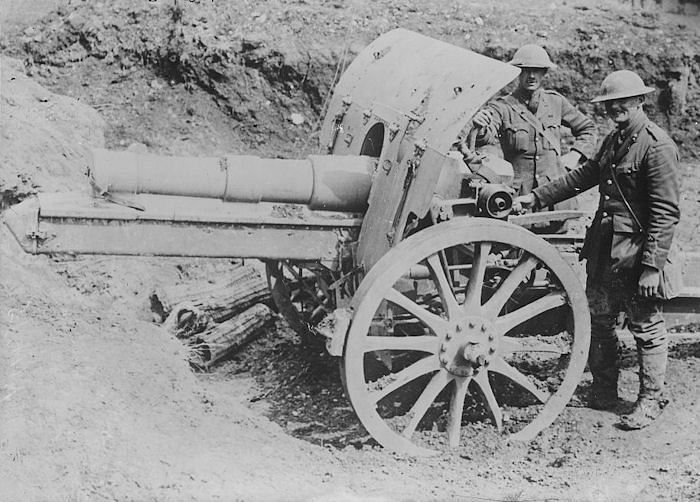
 Field guns were commonly used even though they were extremely big and heavy and needed to generally be manned by two people. They were extremely handy as they could fire to long distances. They had wheels so they’d be able to be moved easily and were usually pulled by horses. Tanks were also heavy artillery and were used. Rifles and snipers were manned by two people.


Men didn't have enough or sufficient foods to survive as food sources were extremely scarce which lead to malnutrition. 
Communication throughout the war
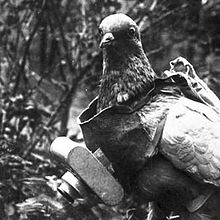
Pigeons played an extremely vital part in communication during the Great War. They were extremely reliable and had an extremely high success rate of 95%. Over 100,000 pigeons were used to send messages.  Using pigeons was extremely useful as due to the speed they flew they were extremely hard to shoot down. In 1914 during the First Battle of Mame the French army advanced with 72 pigeon lofts with their troops. Letters were an extremely common way to communicate during WW1 as they raised the moral of people at home and on the front line. 

Radio was used to contact RAF planes and at home to keep everyone up with the news of the military. It was also a common form of entertainment.  

Another way of communicating was through light beams; however this was uncommonly used as they could be easily be intercepted and misunderstood.

Signalling through flags was often used as a way to communicate.
The Woman’s Land Army
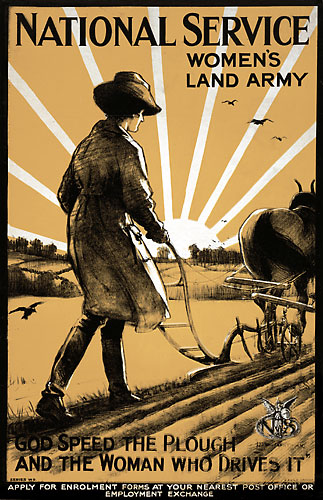
The WLA was set up during the Great War starting in 1915. With over 3 million men away at war, there was a huge gap in farm workers. The government needed woman to man the farms to produce food and do their part in the war. The woman replaced the men who were in the military and did their jobs. By the end of 1917 there was over 250000 working as farm labourers. Women who worked for the WLA were often known as Land Gals.  

The jobs the WLA did were to make a farm function as normal so such as: threshing, ploughing, tractor driving, reclaiming land, drainage etc. The normal wage for someone over 18 and in the WLA was £1.12 per week as deductions had been made for lodgings and food. All WLA workers who worked over 20 miles from their home were granted a free rail warrant to visit home every 6 months.  However as the pay came from the farm owners themselves, many were often underpaid as they were over charged for lodgings and food. 

Thursday, 26 September 2013

World War One

The war that was going to be "over by Christmas" however dragged on for four very long years.

On June 29th 1914 Gavrilo Princip assassinated Archduke Franz Ferdinand who was heir to the Austro-Hungarian empire. Serbia was blamed and due to the alliances made in Europe - Hungary/Germany/Italy and Britain/France/Russia - it all lead to a fully blown out war. Britain declared war after Germany had invaded Belgium on August 4th. 
  • Japan joins the allies and the Ottoman empire joins the central powers. 
  • Women begin to take on and replace men's jobs - such as the woman's land army,
  • Conscription for men between 18 and 41
  • United States joins the allies
  • Germany launch a major offensive on the French front. 
  • Britain has a successful counter-offensive at the Marne and Amiens. 
  • The war ends on November 11th at 11am after an Armistice is signed. 
  • The Treaty of Versailles on June 28th 1919 between the Allies and Germany. 

Information from x and Euan's lecture. 
Fashion of the 1910's:

A common female hairstyle during this era was the new 'bob'. “Hobble skirts" were extremely popular and were widest at the hips and very narrow at the ankle. However during the War as more and more women were forced to work, their activities demanded clothes that were better suited to their new activities; such as; shirtwaists and tailored suits. The general colours of clothing of the time were darker and simpler cuts became the norm.

Men usually wore trousers that were cuffed and creased as well as waist coats. Three piece suits were extremely popular at the time, especially if you could afford them, as well as gaiters.


Children's clothing during the war were heavily influenced by the military such as the little boy's clothes. Girl's dresses and skirts were cut down in length due to clothing rationing.